Why do we undertake Bio-engineering?

250

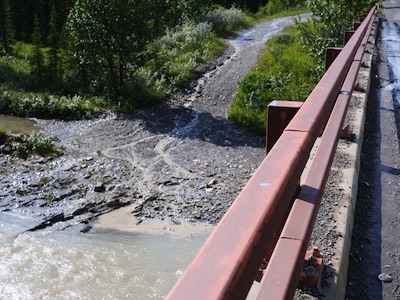
Sediment run-off at Waiparous Creek

Photo credit: C. Hill

What is the problem we are trying to address?

While some erosion is natural, excessive erosion caused by a variety of land-uses can cause problems in a watershed.

A study by Alberta Environment completed in 2006 found that “sediment loading coefficients in the lower regions of Waiparous Creek and Ghost River were much greater than would be expected in rivers draining a similarly forested environment in the upper foothills of Southern Alberta and were even greater than loading coefficients in streams draining agricultural lands at lower elevations where sediment erosion is a common problem” (AB Env., 2006)

There isn’t one single land-use that this problem can be attributed to, but we do know that water running down unvegetated areas can develop a lot of “horsepower” eroding the substrate and carrying it downhill into rivers, streams and creeks. We can observe this issue on trails, seismic lines and other areas with bare ground where water isn’t drained into vegetated areas before it creates excessive erosion.

How can bio-engineering help?

Bio-engineering techniques help us to keep sediment out of rivers and streams to protect water quality and improve fish habitat by re-establishing stream-side vegetation. The vegetation slows down run-off and settles out the sediment before it reaches the stream.

When starting a restoration project, we first de-compact the soil applying a bio-engineering technique called “rough and loose” developed by Dave Polster, a leading professional in the field of bio-engineering from British Columbia. It helps prepare the ground for planting pioneering species such as willows and poplars as well as creating a rough surface for water to infiltrate into the ground rather than running off on the surface. 

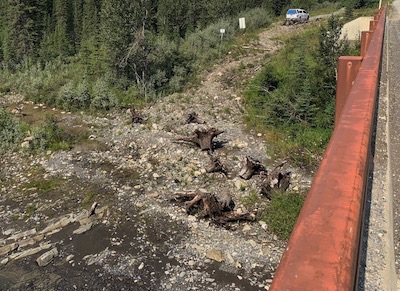
site with bio-engineering applied

The same location on Waiparous Creek 2 years after bio-engineering techniques were applied.

Photo credit: M. Krainer


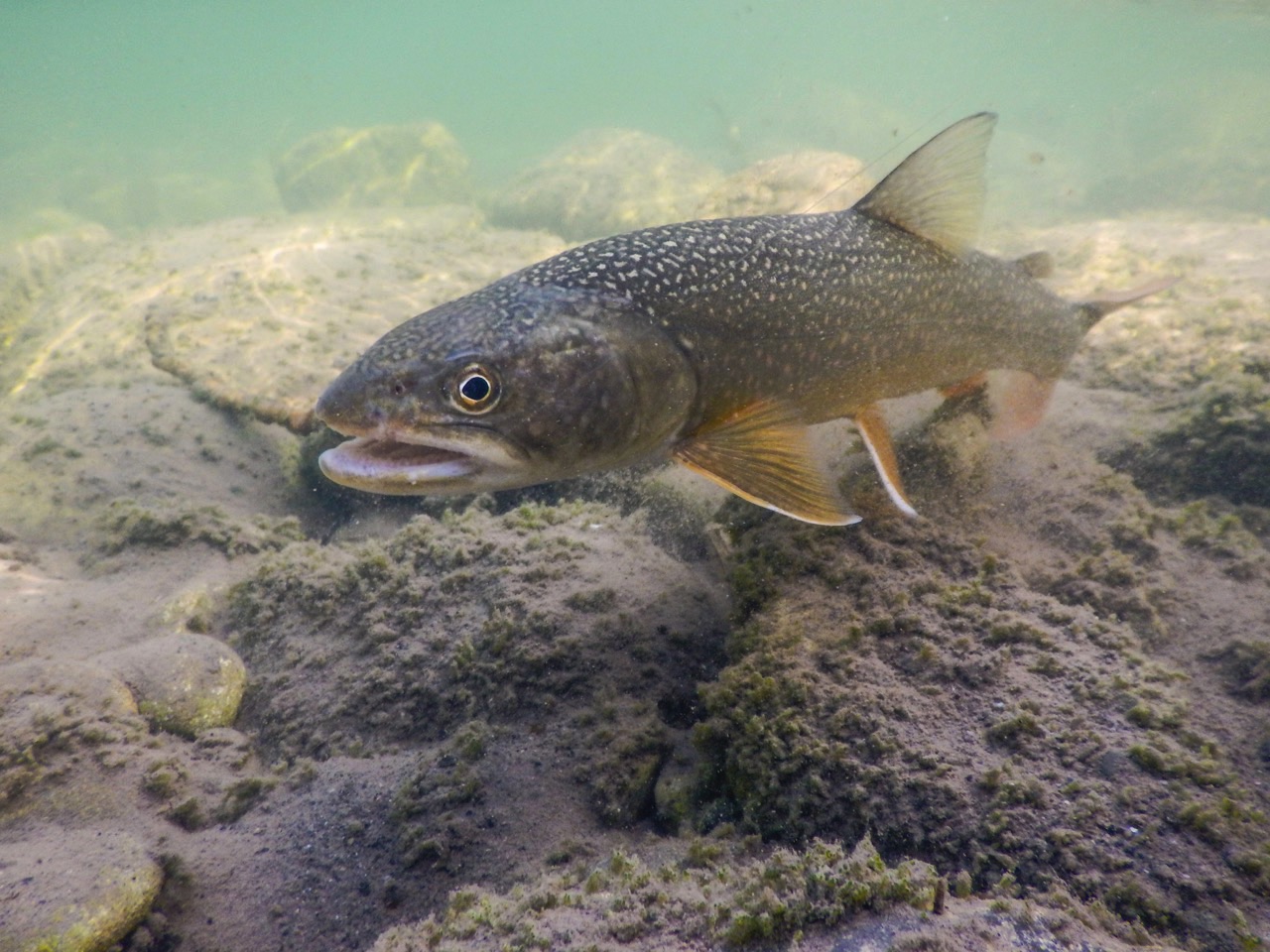
Native Trout in the Ghost Watershed

Once abundant across Alberta, the Ghost Watershed is one of the few watersheds that are still home to native westslope cutthroat and bull trout populations. 

Their demise is a story of cumulative effects affected their populations over the last century. Native trout require streams that are CLEAN, COLD, CONNECTED and COMPLEX. 

Photo credit: Freshwater Conservation Canada

What is Rough & Loose

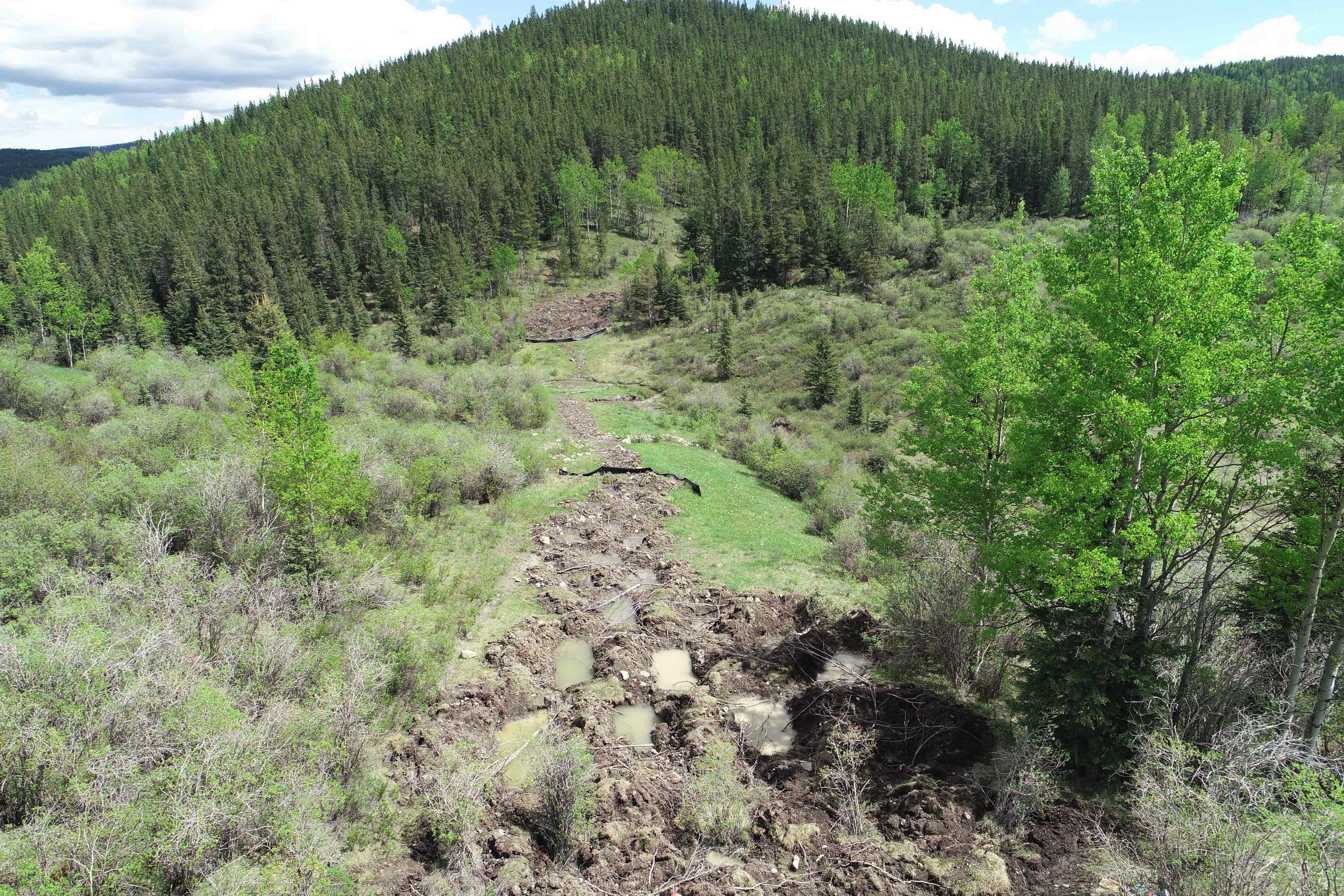
Rough & Loose is a bio-engineering technique that was developed by Dave Polster to treat disturbed sites.

Soil compaction is a problem found at most disturbed sites and it limits natural revegetation. By making the site rough and loose, we not only decompact the ground, we also provide different micro sites for plants to grow.

Photo credit: Sawback Technologies Inc.