What is bio-engineering?
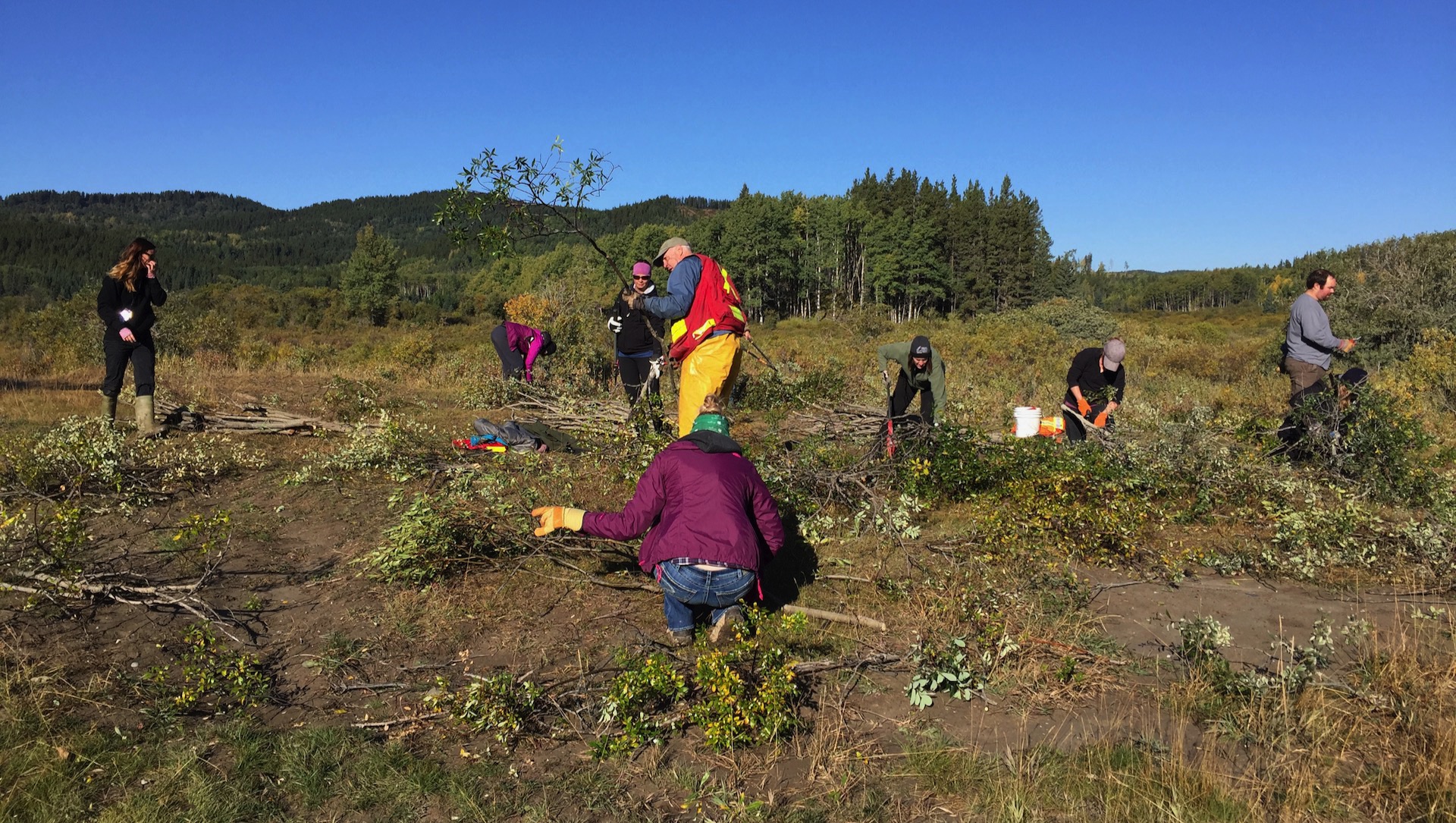
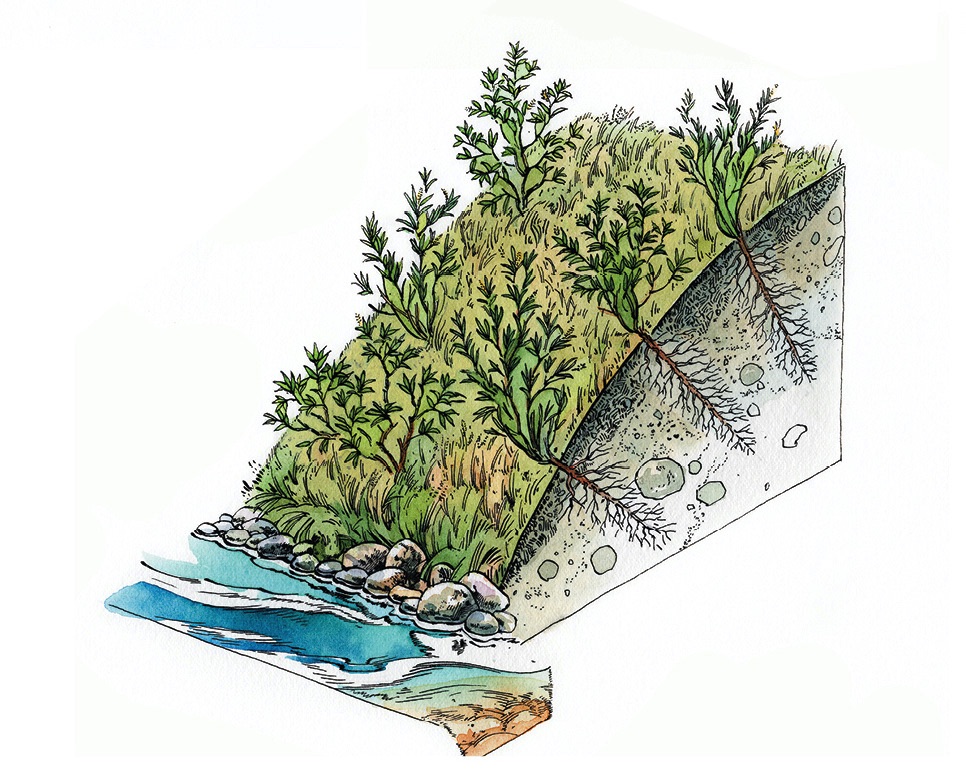
Bio-engineering uses living plant materials to perform an engineering function. It can be used to stabilize eroding stream banks, unstable slopes and gravel banks as the plants’ deep roots bind the soil together and therefore prevent erosion.
We only use native plants that naturally grow in the area of the restoration site. The plants we use are pioneering species, those that will grow first in disturbed sites and help revegetate it. In Alberta's Eastern Slopes of the Rockies the species of choice are mostly willows and balsam poplar. We also spread seeds of native plants such as mountain avens for example.
Illustration courtesy of The City of Calgary
Native Trout in the Ghost Watershed
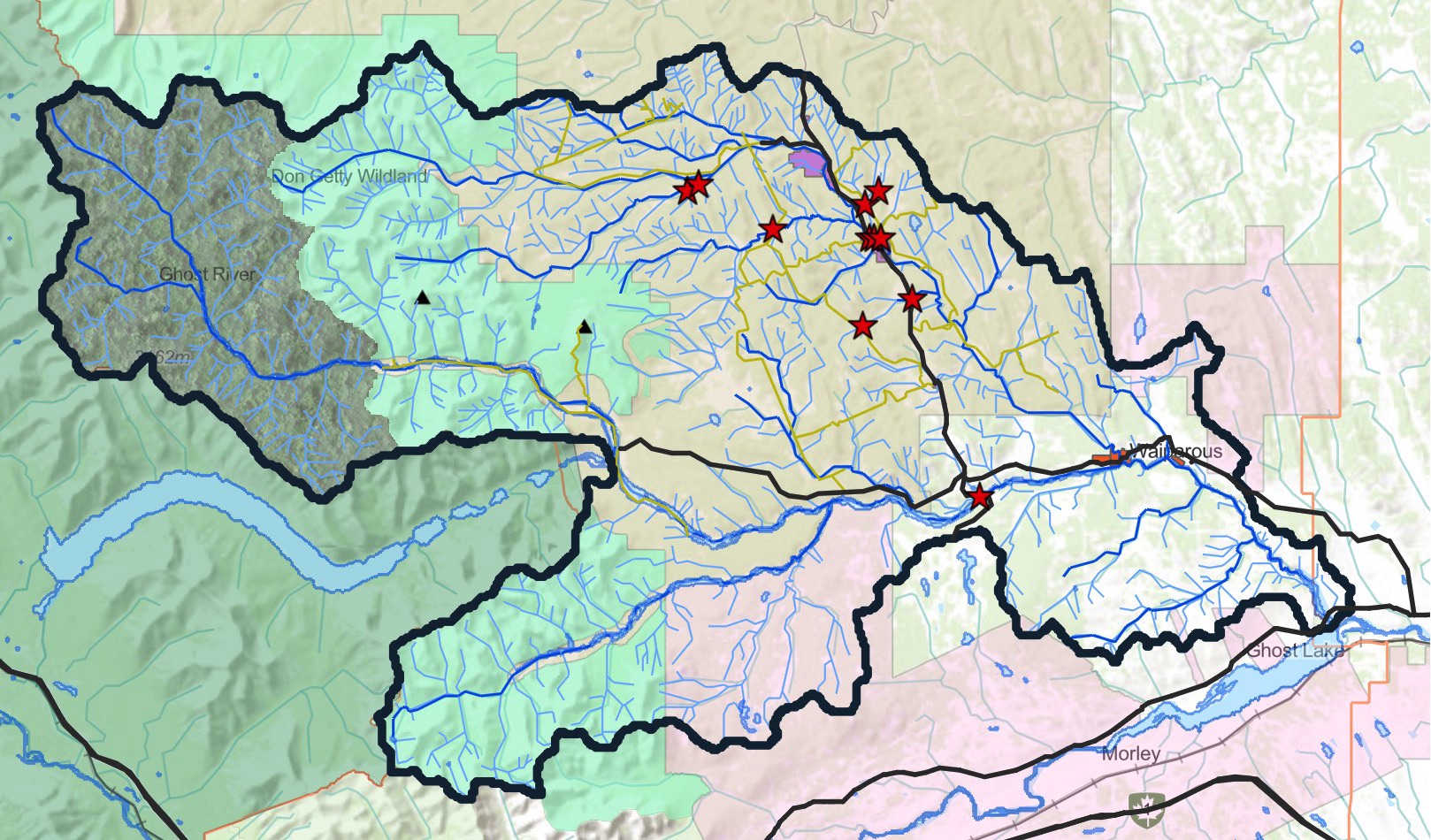
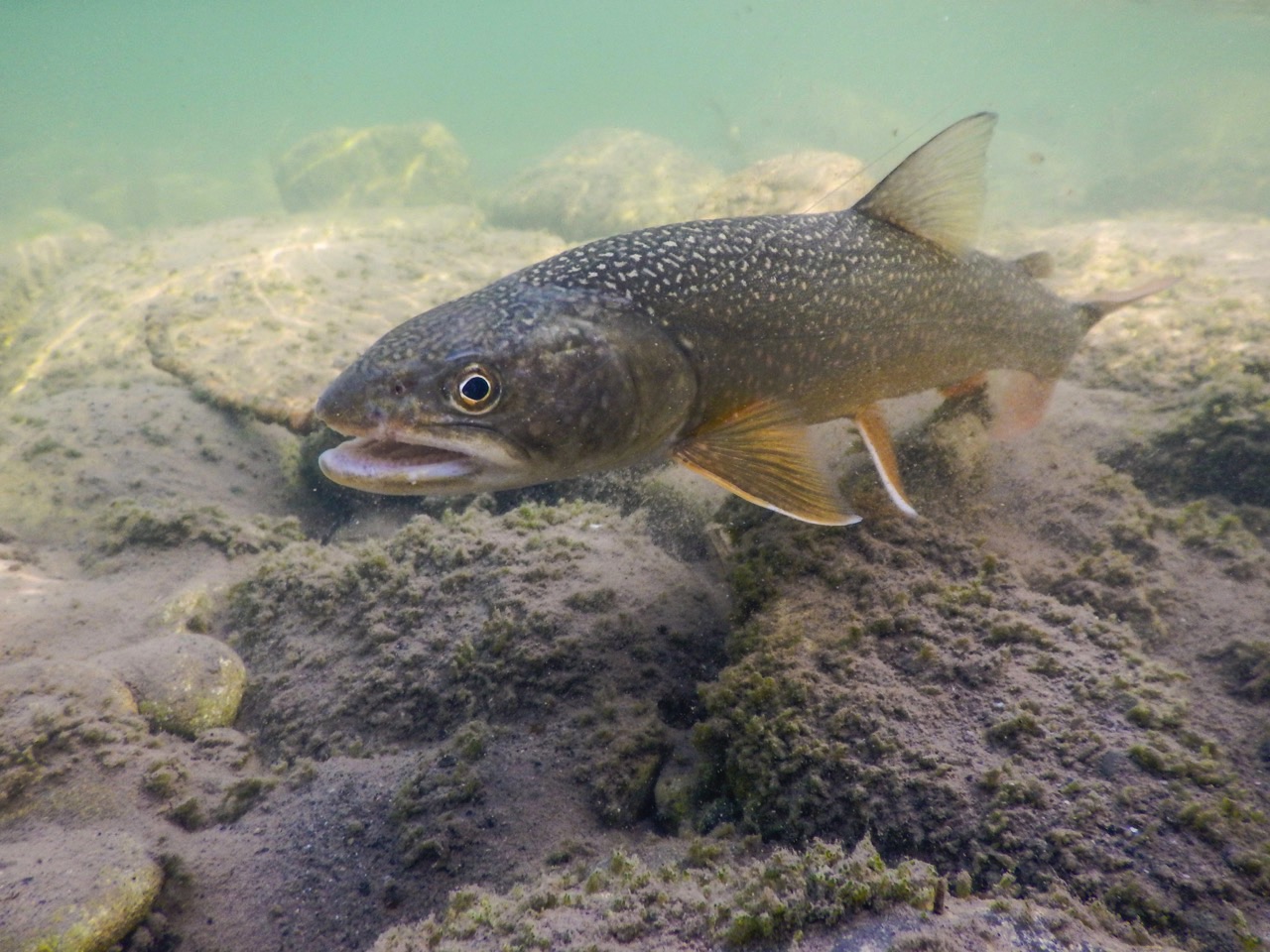
Once abundant across Alberta, the Ghost Watershed is one of the few watersheds that are still home to native westslope cutthroat and bull trout populations. Their decline is a story of cumulative effects of land-uses affecting their habitat over the last century. Native trout require streams that are CLEAN, COLD, CONNECTED and COMPLEX.
Photo credit: Freshwater Conservation Canada
Why do we undertake bio-engineering?
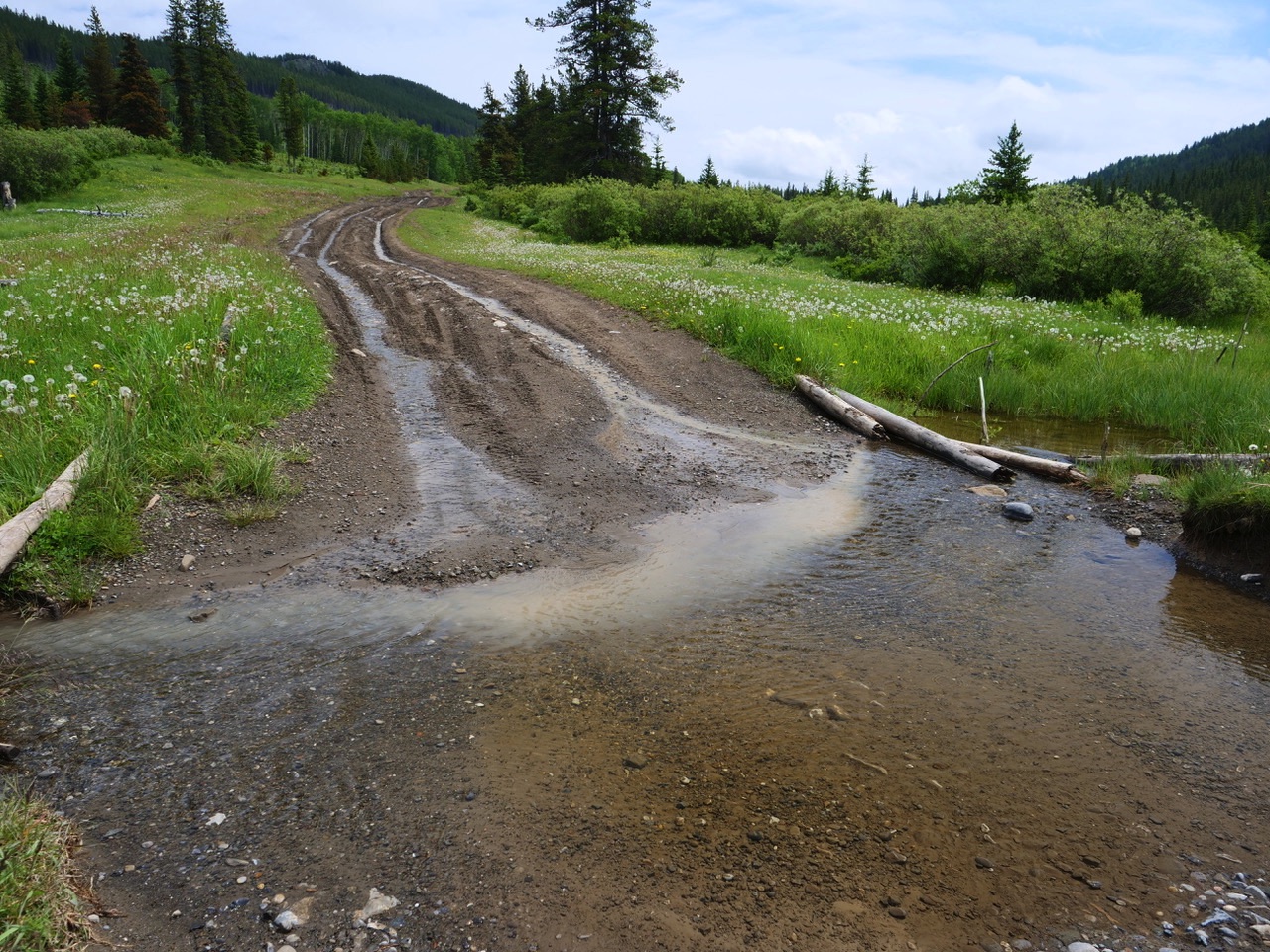
Excessive erosion caused by a variety of land-uses is a major issue in the Ghost Watershed. Bio-engineering techniques help us to keep sediment out of rivers and streams to protect water quality and improve fish habitat by re-establishing riparian vegetation.
Photo credit: C. Hill